
Differences Between Channel and Pavé Settings for Diamond Rings and Bands
When choosing a diamond ring the way the diamonds are set can change the look of the piece. Two popular choices are channel and pavé settings. Both can give a ring plenty of sparkle. They hold the diamonds in very different ways.
If you are choosing a wedding band, an engagement ring, or another diamond ring, knowing the difference can help you pick a style that fits your taste and lifestyle.
What Is a Pavé Setting?
I notice that a pavé design uses diamonds that sit close together across the ring's surface. Tiny metal beads or prongs hold each diamond in place. Because diamonds sit close together there is visible metal between them.
The result is a continuous look. When light hits the diamonds they can create plenty of sparkle across the band. The name comes from the word for "paved " which makes sense because the diamonds look almost like they are paving the surface of the ring.
How Does a Channel Setting Work?
A channel setting holds diamonds between two strips of metal. The stones sit next to one another inside the channel creating a row.
Unlike pavé, you do not usually see prongs or metal beads between each stone. The metal walls help protect the sides of the diamonds, which can make this setting practical for jewelry.
Channel settings are especially common in diamond bands and wedding rings where a clean, structured look is wanted.
Pavé vs. Channel: What Is the Main Difference?
The biggest difference is how the diamonds are secured.
In a pavé design, small diamonds are held with beads or prongs. In a channel setting, the diamonds sit inside a groove between two metal walls. This creates a difference in appearance. A pavé ring can have a delicate glittering surface while a channel-set band often looks smoother and more streamlined.
Why Choose a Pavé Setting Engagement Ring?
A pavé setting engagement ring is a choice for people who want maximum sparkle from a smaller row of diamonds. Because the stones are placed together the ring can look almost covered in diamonds. This can also make the center stone feel more surrounded by sparkle.
Pavé works well with classic round diamonds but the setting can be used with different diamond shapes and ring designs. If you love a glamorous look, pavé may be the better match.
A Closer Look at a Pavé Setting Ring
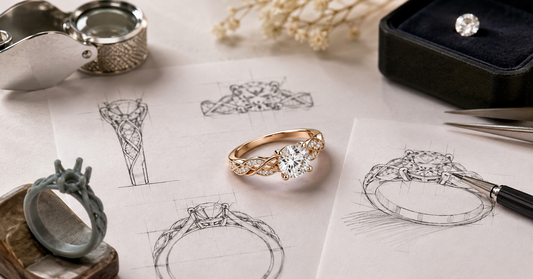
A pavé adjustment ring can work for more than an engagement ring. You can find pavé details on wedding bands, anniversary rings and other fine jewelry. The setting can be used across the band or only on part of it. A half-pavé band, for example, places diamonds around the portion while leaving the underside plain.
This gives you sparkle where it is most visible while keeping the bottom of the band simpler.
Which Setting Is More Comfortable for Everyday Wear?
Comfort depends on the design. Channel settings often have a smooth surface with fewer raised metal details. This can make them appealing for people who wear their rings every day.
Pavé settings can also be comfortable. The tiny beads and prongs may feel slightly different against the skin or catch on certain fabrics. If you work with your hands frequently it is worth trying both styles before making a decision.
Which Setting Offers Protection?
Channel settings provide protection around the sides of the diamonds because the stones sit between metal walls. This can be helpful for a ring.
Pavé diamonds are secured by beads or prongs. These parts can be delicate so the ring may need inspection to make sure the stones remain secure.
Neither setting is automatically better for every person. Your lifestyle and how often you wear the ring should be part of the decision.
Which One Looks More Sparkly?
If your main goal is sparkle pavé is often the setting to consider.
The diamonds are packed closely together. The small amount of visible metal creates a bright surface. A channel setting can also look very brilliant. Its cleaner structure gives the ring a more defined orderly appearance.
Your choice ultimately comes down to whether you prefer a glittering effect or a neat row of diamonds.
How Do They Compare in Maintenance?
Both settings need jewelry care. However, their construction means they can require different types of attention. With pavé the tiny beads and prongs should be checked from time to time. If one becomes loose or damaged, a diamond may be at risk of falling out.
Channel settings should also be inspected. Dirt can collect around the stones and inside the channel regular cleaning helps keep the diamonds bright. A professional jeweler can check the setting during maintenance.
Which Setting Should You Choose?
Think about the look you want first. If you want sparkle and a detailed appearance pavé could be the right choice. If you prefer a clean band with diamonds arranged in a structured row channel setting may suit you better.
Your daily routine matters too. Someone looking for a wedding band for constant wear may prefer the streamlined feel of a channel setting while someone who wants extra sparkle in an engagement ring may love pavé.
There is no winner. The right setting is the one that gives you the appearance, comfort and practicality you want.
Final Thoughts
Channel and pavé settings both have their advantages. Pavé creates a diamond-covered appearance with tiny stones set closely together. The channel setting gives you a look with diamonds protected between metal walls.
If you are choosing a pavé style, focus on its delicate details. If you prefer a structured band, a channel setting may be the better option.
Take your time to compare both styles and choose the one that matches your style and how you plan to wear the ring.
Tags:
Previous
Labor Day Gift Guide: Thoughtful Jewelry for Hardworking Loved Ones
Next
Gold Bracelets That Add Timeless Elegance to Every Jewelry Collection